Meeting Mental Health Needs Across Generations: A Guide for HR Professionals
Written By: Brenda Quach
At HR Transformed, we understand that the landscape of workplace dynamics and the importance of mental health needs in today’s workforce is ever-changing. One of the most significant challenges HR professionals and business owners face is meeting the mental health needs of employees across different generations. This blog post will explore understanding generational differences in mental health, the importance of addressing these differences, and how we can help you and your team meet the mental health needs of a multigenerational workforce.
Understanding Generational Differences in Mental Health
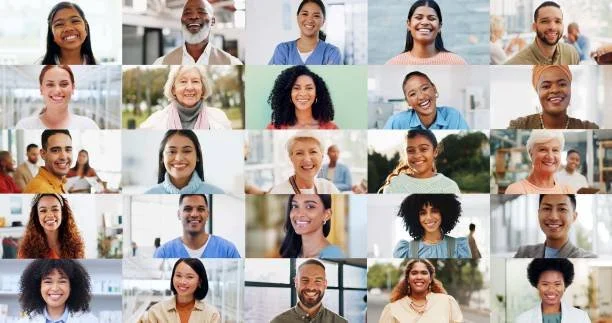
Different generations have unique perspectives on mental health, shaped by their upbringing, societal influences, and life experiences: Here’s a brief overview of how mental health perceptions vary across generations:
Silent Generation: The Silent Generation values privacy and may be reluctant to seek help for mental health issues. They often prefer more traditional forms of support and may find it challenging to discuss mental health openly.
Baby Boomers: This generation often values privacy and may be less likely to seek help for mental health issues due to stigma. They may also prefer face-to-face interactions and traditional counseling methods.
Generation X: Gen Xers tend to be more open to discussing mental health but may still face challenges due to balancing work and family responsibilities. They often appreciate flexible mental health resources that can fit into their busy schedules.
Millennials: Millennials are generally more open about their mental health and advocate for workplace wellness programs. They value digital mental health resources and expect employers to prioritize mental health support.
Generation Z: Gen Z is highly proactive about mental health and is accustomed to using technology for support. They expect a workplace culture that is also proactive, openly discusses mental health, and provides accessible online resources.

The Importance of Addressing Generational Differences
Addressing generational differences in mental health is crucial for several reasons:
Enhanced Employee Well-Being: Tailoring mental health support to different generational needs ensures that all employees feel valued and supported, leading to improved overall well-being.
Increased Productivity: Employees who feel their mental health needs are met are more likely to be engaged and productive.
Retention and Recruitment: A workplace that prioritizes mental health across generations is more attractive to potential hires and can retain top talent.
Inclusive Culture: Addressing mental health needs fosters an inclusive and supportive work environment where all employees can thrive.

Strategies for Meeting Mental Health Needs Across Generations
Here are some effective strategies for HR professionals to meet the mental health needs of a multigenerational workforce:
Conduct Employee Surveys: Regularly survey employees to understand their mental health needs and preferences. Use this feedback to tailor your mental health initiatives.
Offer a Range of Resources: Provide various mental health resources, such as traditional counseling, access to an Employee Assistance Program (EAP), collaborate with health insurance carriers to provide your employees with all included resources, digital therapy platforms, and mental health apps, to cater to different generational preferences. There are several low or no cost solutions out there!
Promote Mental Health Awareness: Implement mental health awareness campaigns that educate employees about the importance of mental health and available resources.
Flexible Work Options: Whenever possible, offer flexible work options to help employees manage stress and maintain healthy work-life integration.
Training for Managers: Train managers to recognize signs of mental health issues and provide support to employees from different generations.
How We Can Help
At HR Transformed, we specialize in helping organizations create inclusive and effective mental health strategies that cater to a multigenerational workforce. We offer training programs for HR professionals and managers to equip them with the skills to support employees’ mental health as part of a thriving, diverse workplace.
Contact us today to learn more.